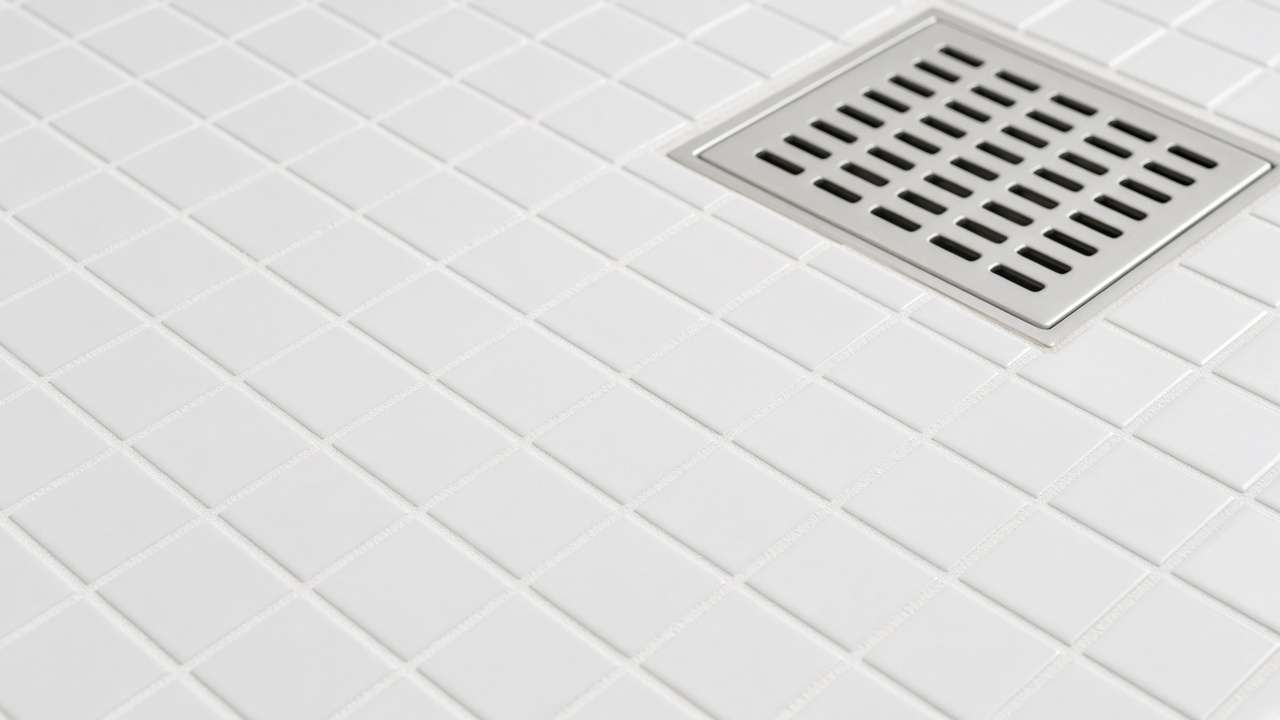


A polished stone surface has a deep, mirror-like glow that makes a room feel brighter. Over the years, though, daily wear can leave that shine looking tired.
Here is a plain-English look at what stone polishing does and how to know when your surface is ready for it.
What Stone Polishing Does
Polishing gradually refines the surface of natural stone until it reflects light evenly. The result is richer color and a smooth, glossy finish.
It works on stones like marble, granite, limestone and travertine. You can read more on our stone polishing page.
Polishing vs Honing
Honing gives a soft, matte or satin look, while polishing gives a high gloss. Many surfaces are honed first to even out the finish, then polished if shine is the goal.
Neither one is better for everyone. It comes down to the look you love and how the space is used. Our stone honing page explains the matte option.
Signs Your Stone Is Ready for Polishing
- The surface looks dull or cloudy, even right after cleaning.
- Traffic paths look different from the rest of the floor.
- Light etch marks or rings show on counters or tabletops.
- The shine is uneven from room to room.
Everyday Care That Protects the Shine
Good habits make polish last longer. Sweep often, use entry mats and wipe spills quickly.
- Use a pH-neutral stone cleaner.
- Avoid vinegar, bleach and abrasive powders.
- Use soft cloths or microfiber on the surface.
- Put felt pads under furniture feet.
Sealing After Polishing
Polishing gives you the look; sealing helps protect it from stains. We suggest resealing about every 2 years, and waiting 24-48 hours after sealing before heavy use.
See our tile and grout sealing page for details.
Mistakes to Avoid
Strong cleaners and rough scrubbing are the most common ways people dull a polished finish. Another is using a glossy “shine” spray that leaves a film and attracts dirt.
If the surface looks dull, a professional assessment is the best next step, since the cause is not always what it seems.
What a Polished Finish Looks Like Up Close
A well-polished surface is smooth to the touch and reflects light evenly across the room. You will notice the veining and color of the stone more clearly, which is why polished marble and granite are so popular in entryways and kitchens.
If a surface looks cloudy in one patch and glossy in another, that is usually a sign of uneven wear rather than dirt. A deep clean helps first, and then we can tell you whether polishing is the right next step.
Which Rooms Benefit Most
High-visibility areas like foyers, living rooms and kitchen counters tend to show wear first. Bathrooms and stone showers can also benefit once surface build-up is cleaned away.
Outdoor stone is a different story and has its own needs, so ask us if you are not sure what is right for a patio or entry.
Is Polishing Right for Your Stone?
Stone that is in generally good shape often responds beautifully to polishing. Surfaces with heavy wear or deep marks may need honing first to level the finish.
We start every project by looking at the stone, so you get an honest recommendation rather than a one-size-fits-all answer.
Keeping It Simple
The best polish is the one you rarely have to think about. With gentle cleaning, quick spill response and entry mats, your finish stays brighter for longer.
And when it is time for a refresh, we are a phone call away.
Frequently Asked Questions
How often does stone need polishing?
It depends on traffic and care. Many homeowners only need it when the shine has clearly faded.
Can all stone be polished?
Most natural stone can, but the result depends on the stone type and its condition. We will tell you honestly what to expect.
Will polishing remove stains?
Light surface marks often improve, but deeper stains may need separate treatment. We can look at it with you.
Ready for a quote? Call us at 888 294 0404 or request a quote online. We serve the Bay Area, Los Angeles, Orange County and San Diego, and we are happy to talk through your tile, stone and grout.